
Have individuals ever wondered how the gold in a bank locker gets its daily price? For a long time, only large merchants could trade these physical items in traditional markets. Today, modern technology and the rise of digital trading platforms allow retail investors to participate very easily, letting people invest in raw materials from home with just a few clicks.
What is Commodity Investing?
Commodity investing is the act of buying and selling raw materials. Instead of buying shares of a company, investors trade real physical goods like gold, oil, or spices.
When individuals want to track a commodity trade live o on their mobile phones, they look at standard contracts on an exchange. These digital contracts allow investors to profit from price movements without ever taking delivery or holding the physical goods.
There are five major types of commodities available in the financial market today. The table below explains these distinct categories in simple terms.
| Commodity Type | Examples and Market Context |
| Precious metals | Gold and silver hold high cultural and financial value in India, making them very popular. |
| Base metals | Industrial materials like copper, aluminium, zinc, and lead fall under this highly active category. |
| Energy commodities | Crude oil and natural gas are the main drivers of the global economy and are one of the most traded commodities. |
| Agricultural commodities | Crops like cotton, turmeric, cumin seeds, and soybean see active trading during harvest seasons. |
| Livestock commodities | Animals like cattle and pork are mainly traded on global international exchanges rather than domestic ones. |
Investors use them to protect their savings when the stock market goes down. Since raw materials are always in high demand, their prices often rise when inflation increases.
The Evolution of Commodity Investing
In the early days, traditional commodity trading was a highly physical and exhausting job. Traders had to visit local wholesale markets or agricultural mandis to buy and sell their goods. It required a lot of manual effort,paperwork, and strong local business connections.
Later, organized commodity exchanges came into the picture to formalize this entire process. These exchanges used the open outcry system, where traders stood closely on a crowded trading floor. They would shout prices loudly and use hand signals to close deals, which was a very noisy and slow process.
Everything changed rapidly with the sudden rise of online commodity trading platforms. The internet replaced physical trading floors with highly efficient virtual ones. Retail participants could suddenly access global markets that were previously closed off to them.
In today’s time technology plays a major role in commodity trading and investing. With ultra fast networks, smart algorithms, and secure servers traders can invest and operate from any part of the world. Transactions that used to take hours earlier can now be completed within seconds.
What are Digital Trading Platforms?
Digital trading platforms are online portals or mobile applications provided by registered stockbrokers, like Pocketful, Groww, Dhan, HDFC Sky & more. They let investors buy and sell financial assets directly over the internet using a computer or smartphone.
These platforms work by connecting the user directly to major national exchanges like MCX or NCDEX. Traders can directly open their online accounts, link them with their bank accounts, transfer funds and click on buy or sell directly on the screen. The system checks the order, accepts or settles the trade and updates the investor’s account instantly.
There are some key features that these platforms have and the benefits compared to traditional methods.
| Platform Feature | Benefit Over Traditional Trading Methods |
| Direct Market Access | Users place orders themselves instead of calling a broker to place trades manually. |
| Instant Settlements | Digital accounts reflect profits and losses immediately after a trade is closed. |
| Paperless Tracking | Physical paper receipts are entirely replaced by secure digital contract notes and ledgers. |
| Live Market Depth | Investors see the exact number of buyers and sellers available at any given second. |
How Digital Trading Platforms Have Changed Commodity Investing
Digital tools have completely changed the way people trade raw materials today. They have removed old technical barriers and made the market very friendly for everyone.
Easy market access is now a reality for any retail investor in India with a simple Demat account. Real time price tracking lets investors see every small change in gold or crude oil prices instantly. Furthermore, faster trade execution ensures that orders are sent to the exchange and completed in a fraction of a second.
Mobile trading and investing apps allow users to manage their live trades while traveling or working. Additionally, lower transaction costs mean that digital brokers charge very small fees, which saves investors a lot of money over time.
Improved transparency is another major shift, as buyers see exact prices on their screens with no hidden extra charges. Better risk management tools also allow traders to set automated stop loss orders to strictly protect their capital during wild price swings.
To find the best opportunities, many traders use a Free Commodities Screener online. This tool helps investors filter different goods based on daily volume, price trends, and volatility. It makes the entire decision making process simple and highly effective for retail participants.
Features of Digital Commodity Trading Platform
There are numerous apps available in the market but choosing the right trading platform can be confusing. Investors should look for specific tools that make the entire trading journey incredibly smooth.
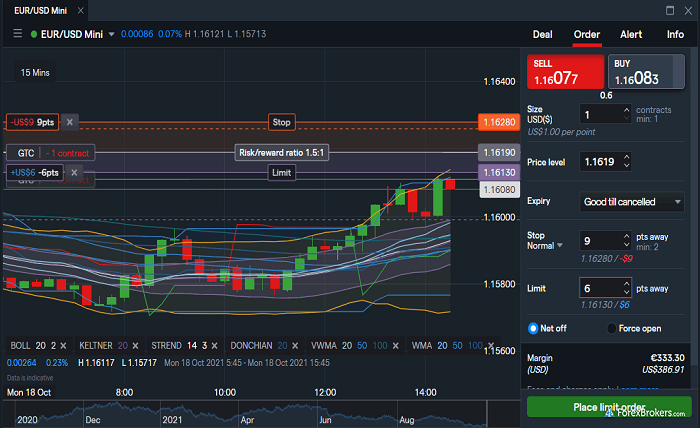
A user-friendly interface is crucial so that the application remains simple to navigate for complete beginners. Live commodity prices and charts must also provide fast market updates without any technical lag or freezing. Advanced charting and technical indicators are strictly necessary to help users carefully analyze historical price patterns.
Risk management features like strict stop loss and limit orders are mandatory for protecting funds. Good platforms also provide research and market insights through regular news updates, keeping traders informed about global supply chains.
Educational resources, such as free reading modules, help new users learn market basics very easily. Finally, security and regulatory compliance ensure the broker is actively registered with SEBI to keep all deposited funds safe.
Benefits of Investing in Commodities Through Digital Platforms
Using digital platforms to buy commodities offers several unique benefits for personal finance management. Using these platforms can help investors in building a robust and resilient financial portfolio.
One of the major benefits is portfolio diversification, as adding gold or oil can act as risk manager if the investor has only invested in stocks. It also acts as a hedge against inflation because raw material prices usually go up when daily items get costly.
High liquidity on digital exchanges means there are always many buyers and sellers available to take the other side of a trade. Convenience and accessibility allow people to trade without needing to transport or store physical gold in their houses. Lastly, flexible trading opportunities let individuals trade in small contract sizes, like Gold Mini, with very limited starting capital.
Challenges of Digital Commodity Investing
While online trading is very easy, it is highly important to understand the specific risks involved. Investors must remain extremely careful to avoid suffering big financial losses in these fast markets.
The table below outlines the major challenges and what they mean for retail investors.
| Major Challenge | Explanation of the Risk |
| Market volatility | Commodity prices are highly fluctuating in nature and fall or rise suddenly due to sudden global events or supply issues. |
| Leverage related risks | Brokers let users trade large contracts with small margins, which can easily multiply unexpected losses. |
| Technology and connectivity issues | A slow internet connection or application crash can severely delay a trade at critical moments. |
| Cybersecurity concerns | Users must carefully protect their account passwords and use secure networks to prevent digital hacking. |
| Emotional trading | The pure excitement of fast price movements can make individuals take greedy or highly fearful decisions. |
How Beginners Can Start Commodity Investing Through Digital Platforms
If a new investor wants to start a journey in commodity trading, there are a few simple steps to follow. Proper preparation and education represent the best way to ensure a safe and smooth start.
First, individuals must open a trading account by choosing a SEBI registered broker that offers access to MCX and NCDEX. Next, they must complete KYC requirements by submitting identity and address proofs online to activate the account. It is also vital to understand commodity contracts by learning about lot sizes, expiry dates, and margin rules before placing any trade.
Beginners should learn basic market analysis by spending time reading price charts and global demand news. They should always start with small investments, using mini contracts like Gold Mini or Silver Mini to test the waters safely. Finally, they must monitor and review the portfolio regularly to track open trades and adjust limits to control risk effectively.
Conclusion
Digital trading platforms have truly changed how the modern world invests in commodities. They have made a once complex market accessible, fast, and highly transparent for everyday retail investors in India.
While the market comes with its own set of distinct risks and rewards, having the right digital tools makes a massive difference. By learning continuously and trading responsibly, individuals can safely explore new ways to build and diversify their wealth over time.